Microsoft puts spend control next to Copilot rollout
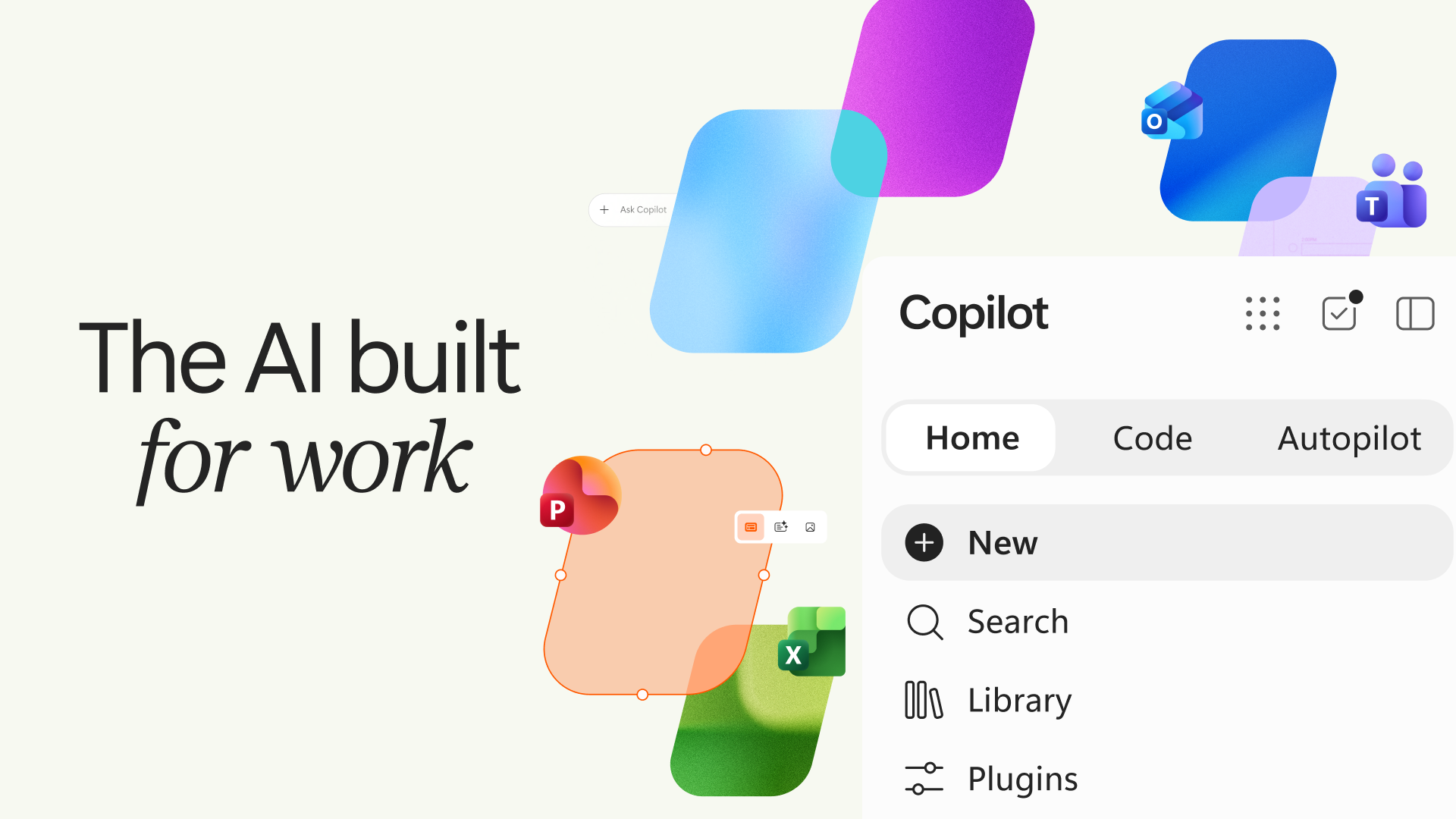
Microsoft said on Sept. 25 that it is reworking Copilot around three new capabilities, Home, Code and Autopilot, and also adding FinOps for AI capabilities for customers that need to track spend as usage grows (Jared Spataro, Microsoft; Microsoft blog). For finance leaders, that pairing matters. Microsoft is not treating cost control as a separate discussion that comes later; it put it in the same announcement as the product changes.
The company said the goal is to help customers manage spend and get more value from Copilot and agents (Microsoft blog). The excerpt does not explain how the FinOps features will work, what data they will expose or how customers will act on the information. Microsoft also did not say whether the capabilities change pricing or packaging.
Why finance teams will care
The Copilot redesign is built around broader task flow. Microsoft said Home will be the starting point for Chat and Cowork, while Office in Copilot will bring Word, Excel and PowerPoint into the same experience (Microsoft blog). That kind of consolidation is likely to pull finance and IT into the same conversation, since the people paying for AI are rarely the same people using it every day.
Microsoft said Chat is meant for quick questions, lookups and draft creation, while Cowork is designed for delegated work that runs end to end and returns a completed result, such as an RFP response, a launch kit or a customer briefing (Microsoft blog). That split matters for cost planning. A short question and a long-running delegated task may not create the same pattern of usage, even before a finance team starts asking what each action costs.
For CFO organizations and FinOps teams, the issue is not only adoption. It is whether they can see where work is happening, what kind of work it is and how quickly the bill grows as people move from chat into delegated execution. Microsoft did not provide the mechanics that would answer those questions in the excerpt, so buyers are left to infer the controls from the product pitch rather than from documentation.
Agent use raises the need for tracking
Microsoft said Autopilot is a persistent agent that keeps working when the user is away (Microsoft blog). That is the sort of feature that can make spend harder to predict if organizations do not have visibility into task duration, workload volume or who approved the work. Microsoft did not say in the excerpt how Autopilot decides what to do on its own, what guardrails it will use or what tasks it will not handle.
The company’s FinOps for AI language suggests that it knows customers will want more than a usage counter. Finance teams generally need a way to connect activity to departments, business units or internal projects, especially when a product can move from a quick interaction to a background agent. Microsoft has not described those controls in the public excerpt, so it remains unclear whether the new capabilities will expose those kinds of reporting fields or something narrower.
That uncertainty matters because the company is also pushing Copilot deeper into work. Microsoft said Copilot will eventually route work to Chat, Cowork or Code automatically once the user states what needs to be done, rather than requiring a mode selection first (Microsoft blog). If that routing is meant to make the product easier to use, it may also make spending less visible to the people who approve budgets unless Microsoft builds reporting around it.
Code pulls developers into the same system
Microsoft said Code lets people build their own solutions and uses the same underlying technology as GitHub Copilot (Microsoft blog). That could matter for IT finance leaders who are trying to keep separate AI tools from proliferating across business units. If internal teams can build inside the Copilot system, then finance teams may want a cleaner way to separate developer activity from ordinary office work.
The excerpt does not explain how Code relates to GitHub Copilot in packaging, permissions or user segmentation. It also does not say whether Microsoft plans to bundle the new modes with existing Microsoft 365 or Copilot subscriptions. For buyers, that leaves a basic question unanswered: whether the new experience is a redesign of the interface, a new way to meter usage or both.
Microsoft said Home and Code will begin rolling out in Frontier, its early access program, in the coming weeks, while Autopilot will expand to private preview at the end of the month (Microsoft blog). That staged rollout gives enterprise buyers time to test use cases before broader deployment, but it also means the first public details may arrive before the pricing picture is clear.
What remains unanswered
The blog post leaves several open points that finance teams will want answered before they commit to broader use. Microsoft did not explain how FinOps for AI will work in practice. It did not say whether the capabilities will change pricing or packaging. It did not spell out whether the controls will track spend by user, team, workload or agent.
The company also left out technical detail on several product pieces. It did not say whether Office in Copilot will be available across all Microsoft 365 apps at launch or only in selected scenarios. It did not say how PowerPoint’s on-brand deck creation will be managed beyond the short description in the post. And it did not say which customers will get Home and Code first beyond the Frontier rollout.
For CFOs, FinOps leaders and IT finance teams, that leaves Microsoft with a two-part pitch and only one part of the operating model. The company can point to a more unified Copilot experience, but the controls around spend are still mostly a promise in the public record, not a documented system.