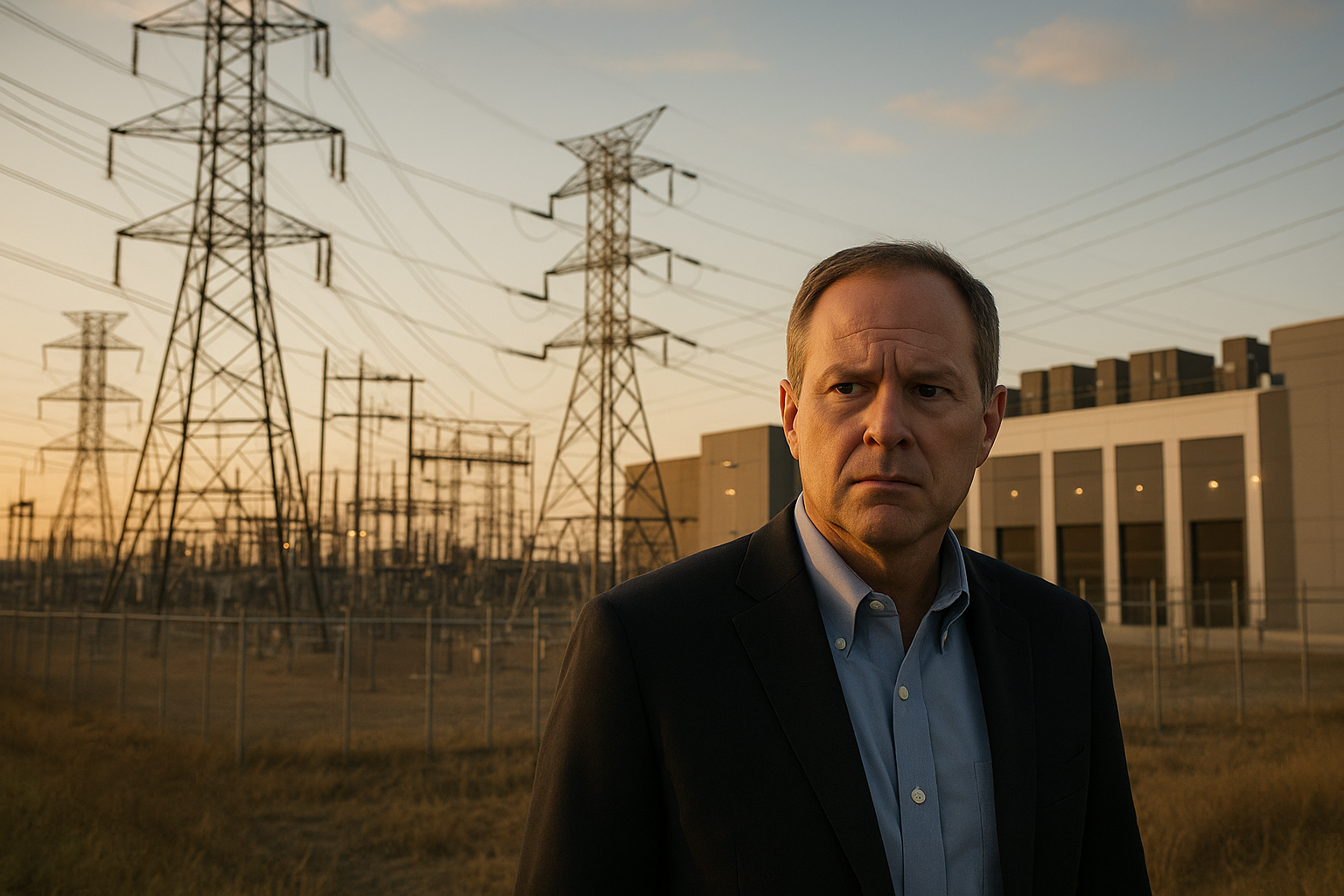
The electricity bill is getting harder to ignore
Forbes reported that U.S. data centers now use nearly 40% of the world’s data center electricity, a share that points straight to the strain now landing on utilities, grid planners and state regulators. The reporting by Robert Rapier ties that demand to AI growth and to the need for more transmission and generation investment, which leaves a basic question hanging over each new project: who pays for the power system that makes it possible? Forbes
That question has moved out of the margins. In Texas, Gov. Greg Abbott told Business Insider that data centers had "dug their own grave" after a backlash from residents, and Newsweek reported that he said the state would halt approvals for proposed data centers while regulators conduct a comprehensive audit. The shift shows how quickly power demand can turn into a political problem when residents think the public is being asked to absorb the cost. Business Insider, Newsweek
Utilities are being pressed on planning and payment
The utility question is not limited to Texas. The research briefing ties data center growth to grid strain and infrastructure investment, and Forbes reported that AI is driving higher power demand. That matters because new load does not appear on the system by itself. Utilities must plan generation, transmission and distribution upgrades, and state regulators decide how much of that spending goes into rates paid by households and other customers. Forbes
That is why the public fights keep circling back to billing rules. If a utility expands a substation, adds transmission capacity or contracts for new generation to serve a large data center campus, regulators have to decide whether the project is paying its own way or whether the cost is spread across the broader customer base. The briefing does not give a single national rule, and that is the point. The system is being negotiated project by project, state by state.
In Andhra Pradesh, ANI reported that YSRCP leader Gudivada Amarnadh demanded a blueprint from the state government on water and power supply for proposed hyperscale data center projects in Visakhapatnam, along with questions about infrastructure, resource allocation and environmental safeguards. The complaint is familiar even outside India. Communities want to know how much power a project will require, what it will take from the grid and whether public agencies have mapped those needs before issuing approvals. ANI
Local politics is turning into a cost debate
Texas is not the only place where the politics are changing. Business Insider reported that Abbott had earlier backed broader data center growth in the state before reversing course after backlash from residents. Newsweek said the governor now wants a comprehensive audit before more approvals move ahead. That sequence matters for utilities because it suggests that public tolerance can change faster than grid buildout schedules. Business Insider, Newsweek
The same pressure shows up in other places through different channels. The Boston Herald reported on a Lowell forum tied to the city’s data center debate, where a 14-year-old Cambodian-American girl was removed by a police officer and a video of the removal spread online, followed by threats and hateful posts. The reporting is about more than one incident. It shows how a power and zoning dispute can spill into policing, youth participation and racial harassment once a community starts arguing over who bears the burden of development. Boston Herald
In Alabama, AL.com ran an opinion piece arguing that data centers will impose costs on Alabamians and criticized AI uses that replace workers without delivering public benefit. Opinion is not policy, but it captures the same public anxiety that regulators hear in hearings and comment periods: residents want to know why a facility consuming large amounts of power should not carry a larger share of the expense. AL.com
Growth stories are colliding with public cost
Not every city is reacting the same way. The Omaha World-Herald described Papillion, Nebraska, as a city with a long growth history and recent data center development, folding the facilities into a local story about change and civic pride. That kind of framing helps explain why some communities welcome the projects while others push back. For local leaders, a data center can mean tax base and new construction. For ratepayers, it can mean a bigger system bill if the utility model is not set carefully. Omaha World-Herald
The tension is now plain across the briefing materials. Forbes gives the scale. Texas shows the political backlash. Andhra Pradesh shows the demand for a public blueprint. Lowell shows how quickly these fights spread beyond utility meetings. None of that answers the central billing question on its own, but it does explain why state regulators are being pressed to spell out who pays before the next round of load lands on the grid. Forbes, Business Insider, Newsweek, ANI
What regulators are being asked to decide
The next decisions are likely to be procedural, not theatrical. Utilities will keep filing load forecasts, interconnection requests and spending plans. Regulators will keep asking whether the cost of new transmission and generation should sit with the data center owner, the utility’s broader customer base or some mix of the two. The public debate is moving toward that accounting, because the electricity demand is already here and the infrastructure bills are starting to arrive. Forbes, Newsweek