Microsoft broadens the Copilot stack
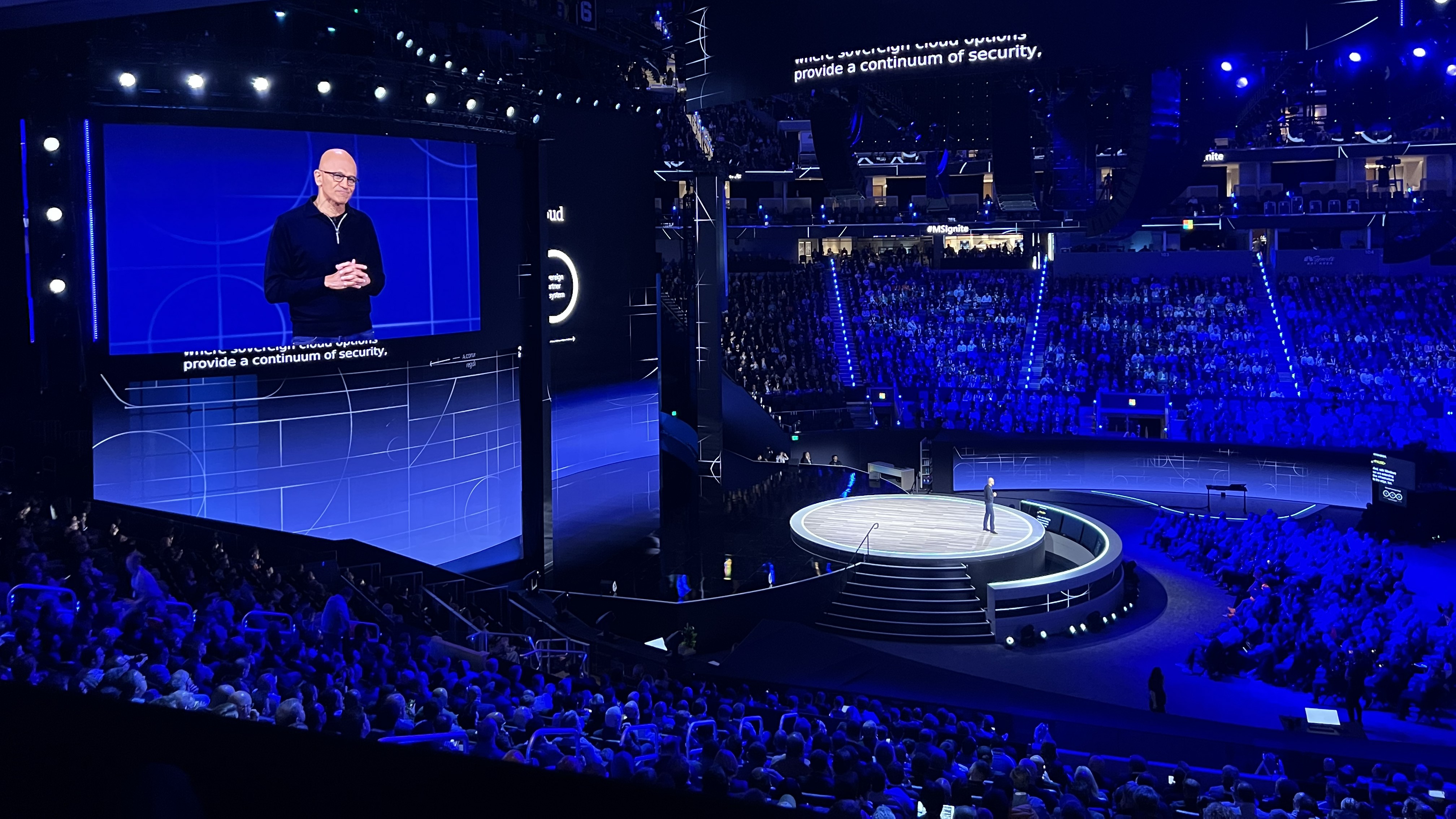
Microsoft used Ignite 2026 to push Copilot further beyond a chat tool and into a more layered enterprise system. In a Nov. 17 blog post, the company said Copilot Home and Office are generally available, Code is set to reach general availability in the coming weeks, Copilot Managed Runtime is generally available, and Autopilot is rolling out to Frontier customers. Microsoft also said it is expanding Agent 365 and adding new plugins and skills for sales, service, finance, and legal teams. Microsoft Copilot at Ignite
The package points to a broader enterprise plan. Microsoft is not describing Copilot as one interface with a few add-ons. It is building a stack that reaches from the first user prompt to app hosting and agent management, with different entry points for workers, developers, and administrators.
Home, Office, and Code map to different work surfaces
Microsoft says Home is Copilot’s starting point and combines Chat and Cowork in one place. Office in Copilot is also generally available, giving the company another route into its productivity suite. Code will follow in the coming weeks, extending Copilot into software development work.
That structure matters for enterprise buyers because it suggests Microsoft wants Copilot to sit inside the places where work already happens. A worker can start in Home, move into Office for document and meeting work, and shift into Code for software tasks without leaving Microsoft’s Copilot family of products. Microsoft’s blog post does not spell out the product packaging in those exact terms, but the lineup it announced maps cleanly to those separate work surfaces.
Microsoft is also using staged release timing. Home and Office are already generally available, Code is close behind, and Autopilot is starting with Frontier customers. For platform teams, that rollout pattern suggests the company is testing adoption at different points in the workflow rather than releasing a single monolithic product.
Managed runtime brings the admin layer into view
Copilot Managed Runtime is one of the clearest signs that Microsoft is moving deeper into the platform layer. The company says it is generally available for securely hosting and managing apps. That puts runtime and management inside the Copilot story, not beside it.
Microsoft’s service page gives a closer look at the kind of business workflows it wants to support. The page describes use cases such as triaging queues, turning customer email into cases, and preparing briefs from accessible case records, email, Teams discussions, and meeting notes. It also says Copilot respects existing permissions and organizational policies, and asks users to review sources and proposed changes before permitted actions are saved.
That pairing matters for administrators. The company is not just pitching output generation. It is also describing guardrails, permission checks, and review steps that matter to security teams and system owners who have to sign off on where an AI system can operate.
Work IQ ties the pitch to Microsoft 365 data
Microsoft is linking Copilot’s reach to Work IQ, which it says can reason over Microsoft 365 data that spans emails, Teams messages, documents, and comments. In the Ignite post, the company cites scale figures of more than 19.5 exabytes of data, 90 billion emails, 15 billion Teams messages, and 10 billion new files added each week.
The message is straightforward. Microsoft is arguing that the more of a customer’s work already sits inside Microsoft 365, the more relevant Copilot can be across search, reasoning, and task execution. The company does not provide an independent audit of those figures in the blog post, but the scale numbers make clear how central Microsoft 365 data is to the pitch.
That is also where enterprise architects will focus. If Copilot can reason across mail, chat, documents, and comments, then the product becomes less like a single assistant and more like a layer sitting on top of existing work records. Microsoft is betting that customers will see value in that reach, while still keeping permissions and policy controls in place.
Model choice is still bound by policy
Microsoft is also pushing Auto routing, which it says chooses models and effort dynamically for a task. The company says the system is meant to balance quality, speed, and cost, and that employees can select models from OpenAI or Anthropic under organizational policy.
That detail matters because it puts model choice inside a governed environment rather than a free-for-all. For procurement teams, the policy language is likely to matter as much as the model names. Microsoft is saying customers can get some flexibility without giving up administrative control. The Ignite post does not explain how those tradeoffs are measured or audited, which leaves a practical gap for buyers that will want more detail before they expand usage.
Agent 365 suggests a wider management layer
Microsoft says Agent 365 is expanding, though the Ignite post does not spell out how the platform works in practice or what systems it connects to. Even without that detail, the placement is telling. Agent 365 sits alongside Home, Office, Code, Managed Runtime, and Autopilot as part of the same Copilot announcement, which suggests Microsoft wants one set of controls across the assistant, the app layer, and the agent layer.
The broader blog index backs that reading. Microsoft has recently published Copilot announcements for finance, legal, CRM, and Claude model support in the EU Data Boundary, which points to a steady move toward more enterprise-specific use cases. Microsoft Copilot news index
For enterprise decision-makers, the takeaway is not that Microsoft has one Copilot product. It is that the company is arranging Copilot as a family of surfaces and controls that can stretch from day-to-day work to app management, with Microsoft 365 data and policy enforcement holding the pieces together. The next step for buyers is likely a closer read on pricing, access tiers, and how Agent 365 will work in production.